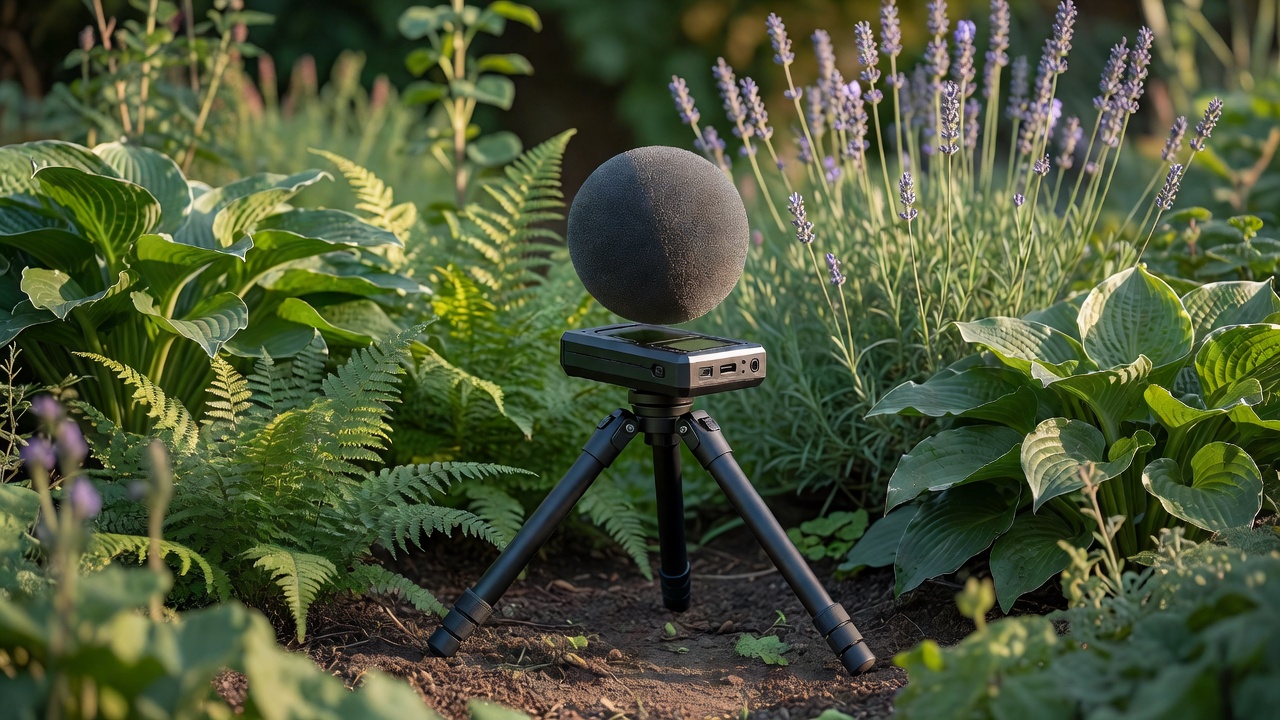
A recording lets you revisit a detail that passed too quickly: the gap between two calls, a change in the rain or an unexpected background voice. It does not need to sound like a professional wildlife programme. Begin with an ordinary scene and a modest aim, such as keeping a short record of how your garden sounded this evening. Good judgement matters more than expensive equipment.
Listen before you unpack
Spend a little time hearing the place without handling a device. Notice where people pass, whether a bird appears to be feeding young and whether your intended position would block an animal’s route. Stay on permitted paths and respect access restrictions. In reserves, follow the site’s rules even when a microphone seems less intrusive than a camera.
Never use playback to attract a bird for a better recording. Do not approach nests, move vegetation around them or leave equipment where it could interfere with wildlife. If birds alarm, hesitate to return or repeatedly watch you, retreat quietly. Sensitive species may require stronger precautions, and local wildlife law can restrict disturbance or recording activity around protected birds.
Use the device you already have
A phone can make a useful sound diary. Learn where its microphones are and avoid covering them with a finger or case. A portable recorder usually offers more control, but it also brings more settings to check. Put the device on a stable, unobtrusive support if possible, then keep hands, straps and clothing still. Handling noise is often louder than the detail you wanted.
Wind protection is important outdoors. An appropriate windshield reduces air turbulence at a microphone; it does not remove wind moving through trees. Shelter can help, but do not wrap a microphone in unsuitable material or block its openings. Check the manufacturer’s guidance. A test recording will reveal problems more reliably than assuming a calm-looking scene will sound clean.
Before pressing record
- Confirm access permission and a safe position.
- Check for nests, feeding activity and passing people.
- Silence notifications without losing needed safety contact.
- Check battery, storage and a short test recording.
- Keep the recorder stable and leave wildlife undisturbed.
Leave room for the unexpected
If manual level control is available, allow headroom for a sudden loud call or passing vehicle. A clipped signal can sound harsh, and turning it down afterward will not restore the missing peaks. Automatic gain may raise background noise during quiet gaps. Neither setting is universally right; learn how your device behaves in the conditions you actually encounter.
For recorders offering a choice, uncompressed WAV at 48 kHz and 24-bit is a common working format, not a requirement for meaningful listening. Phones may provide fewer options. Some devices offer 32-bit float recording, but that does not prevent every overload or solve wind and handling noise. A well-placed basic microphone can be more useful than an advanced recorder in the wrong spot.
Record the scene, then keep its context
Let a short recording run without narrating over it. Make a separate note of location at a suitable level of precision, date, time, weather, device and anything unusual. Be clear when a species identification is tentative. If you trim or filter the file, preserve the original and label the edited copy. Heavy noise reduction can create artifacts that resemble faint natural sounds.
“Wind in the apple leaves; two clear phrases; identity uncertain.”
Share less than you collect
Listen through a file before sharing it. Private conversations, names, addresses or children’s voices may be audible even when you were concentrating on a bird. Remove or withhold sensitive material and check applicable privacy and recording laws. Do not publish precise locations of vulnerable wildlife, nests or roosts. Strip unnecessary location metadata when a file or accompanying image could reveal them.
If submitting recordings to xeno-canto or the Macaulay Library, read current submission, licensing and sensitive-location guidance first. The American Birding Association Code of Birding Ethics offers a helpful welfare-first reference. These resources do not replace local rules or permission from the landowner.
Finally, replay at a comfortable level. Headphones are optional, and turning up very quiet passages can make a sudden loud sound uncomfortable. Your recording is a small document of one encounter, not a claim to have captured the whole place. If keeping the moment would mean disturbing it, leave with the memory instead.